why do black people use you in the wrong context? such is “you ugly” instead of “you’re ugly” I know u guys can differentiate, it’s a nuisance

kingkunta-md:

miniprof:

rsbenedict:

prettyboyshyflizzy:

you a bitch

image

It’s called copula deletion, or zero copula. Many languages and dialects, including Ancient Greek and Russian, delete the copula (the verb to be) when the context is obvious.

So an utterance like “you a bitch” in AAVE is not an example of a misused you, but an example of a sentence that deletes the copular verb (are), which is a perfectly valid thing to do in that dialect, just as deleting an /r/ after a vowel is a perfectly valid thing to do in an upper-class British dialect.

What’s more, it’s been shown that copula deletion occurs in AAVE exactly in those contexts where copula contraction occurs in so-called “Standard American English.” That is, the basic sentence “You are great” can become “You’re great” in SAE and “You great” in AAVE, but “I know who you are” cannot become “I know who you’re” in SAE, and according to reports, neither can you get “I know who you” in AAVE.

In other words, AAVE is a set of grammatical rules just as complex and systematic as SAE, and the widespread belief that it is not is nothing more than yet another manifestation of deeply internalized racism.

This is the most intellectual drag I’ve ever read.

nonbinary-support:

helenthepolysexual:

diamorics-unite:

manga-anime-hell:

queer-is-good:

positiveinpurple:

prettyboy-hommi:

rottenanimatronic:

nbandproud:

enby-positivity:

enby-positivity:

S/o to my followers whose language is hard to make gender neutral, who have to invent words not only for their gender identity and orientation, but also for any and every situation. 

It will take time but we will make the world see us. 

Un peu de positivité pour mes abonné.es dont la langue maternelle est difficile à rendre neutre, qui doivent inventer des mots non seulement pour parler de leur identité de genre et de leur orientation, mais aussi pour n’importe quelle situation. 

Ca prendra du temps, mais le monde finira par nous voir. 

Um pouco de positividade para minhes seguidorus cujas línguas maternas são difíceis de deixar neutras em relação a gênero, que precisam inventar palavras não apenas para falar de sua identidade de gênero e orientação mas também para todas as situações.

Levará tempo, mas faremos com que o mundo nos veja.

@prettyboy-hommi 

shout out á followerana mína sem eiga móðurmál sem er erfitt að gera kynhlutlaust, sem þurfa að finna upp ný orð ekki bara fyrir kynvitund sína og kynhneigð, heldur líka í öllum öðrum aðstæðum 

Þetta tekur tíma en við munum láta heiminn taka eftir okkur!

S/o ai miei followers la cui lingua non è facile rendere neutra, che devono coniare parole non solo per la propria identità di genere e orientamento sessuale, ma anche per qualsivoglia circostanza.

Ci vorrà tempo ma faremo in modo che il mondo ci veda.

S/o til mine følgjarar som snakkar eit språk som er vanskeleg å gjere kjønnsnøytralt, som er nøydde til å finne opp nye ord ikkje berre for kjønnsidentiteten og orienteringa deira, men òg for nesten alle andre situasjonar.

Det vil ta tid, men me skal få verda til å sjå oss.

S/o til mine følgere som snakker et språk som er vanskelig å gjøre kjønnsnøytralt, som er nødt til å finne opp nye ord ikkje bare for deres kjønnsidentitet og orientering, men også for nesten alle andre situasjoner.

Det vil ta tid, men vi skal få verden til å se oss.

shoutout do moich obserwujących, których język niełatwo jest uczynić neutralny płciowo, którzy muszą wynajdować słowa nie tylko dla ich identyfikacji płciowej i orientacji, jak i dla każdej sytuacji.

to potrwa, ale sprawimy, by świat nas zobaczył.

Shoutout zu all meinen Followern, deren Sprache schwer zu neutralisieren ist, die Wörter nicht nur für ihre Geschlechtsidentität und Orientierung erfinden müssen, sondern auch für jede mögliche Situation.

Es wird eine Weile dauern, aber wir werden die Welt dazu bringen, uns zu sehen.

給同好們(追蹤者)的喊話。給使用的語言裡很難有中性用詞的人,給不只為自己的性別跟傾向創造字詞,還為各種不同情況創造字詞的人。

這會需要時間,但我們會讓世界看見我們。

Shoutout por todos mis seguidores que tienen una lingua muy dificíl para la neutralidad de género. Que tienen que inventar palabras para no soló su sexualidad y género, pero también por todos las situaciones.

Tomará tiempo, pero nosotros hacerémos el mundo nos vea.

-mod tabby

badassbaker:

meleedamage:

randomfandoming1:

tomhiddleston-kikibfairy:

inkededucatednnerdy:

meleedamage:

anais-ninja-bitch:

meleedamage:

loricameback:

meleedamage:

anais-ninja-bitch:

meleedamage:

meleedamage:

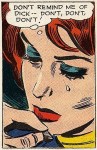
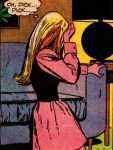
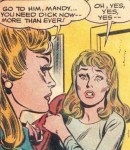
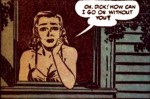
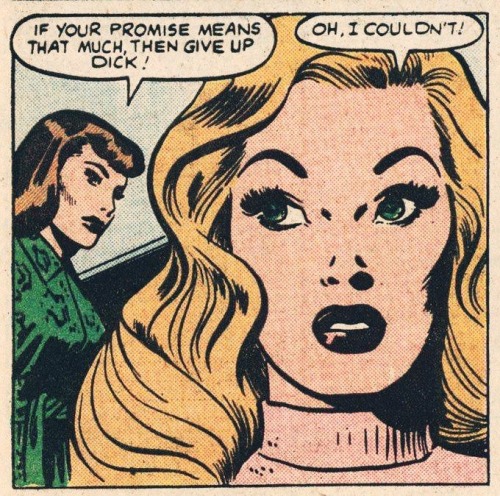
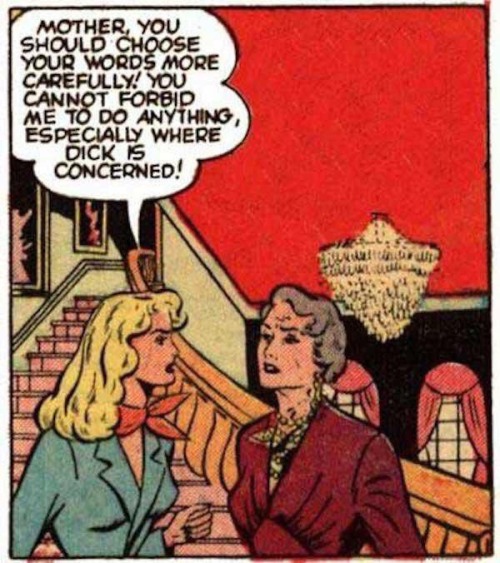
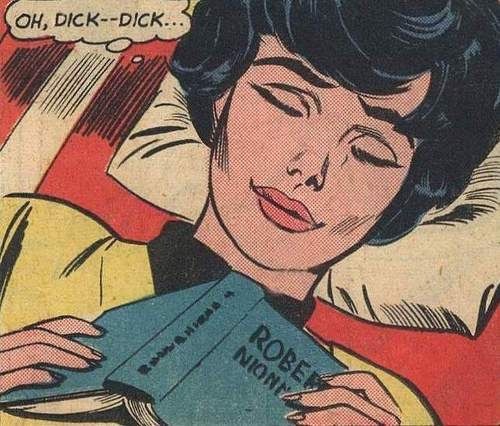
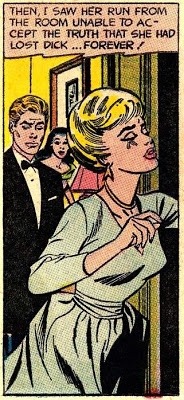
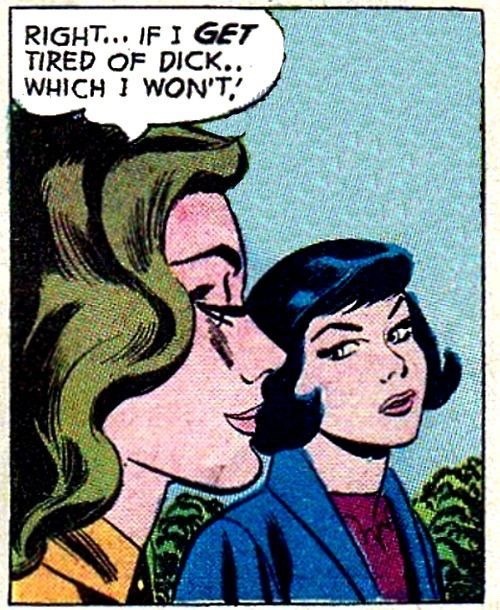
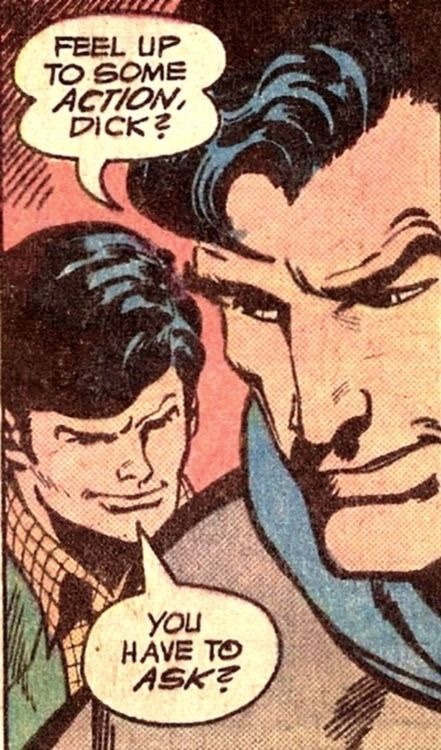
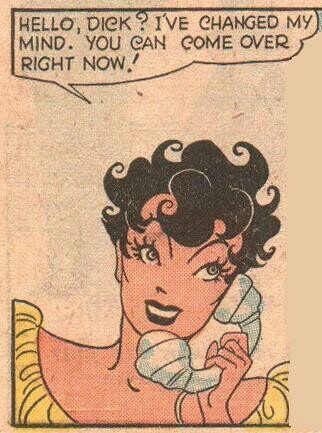
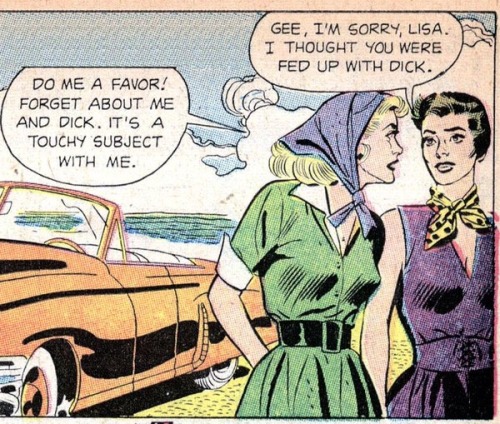
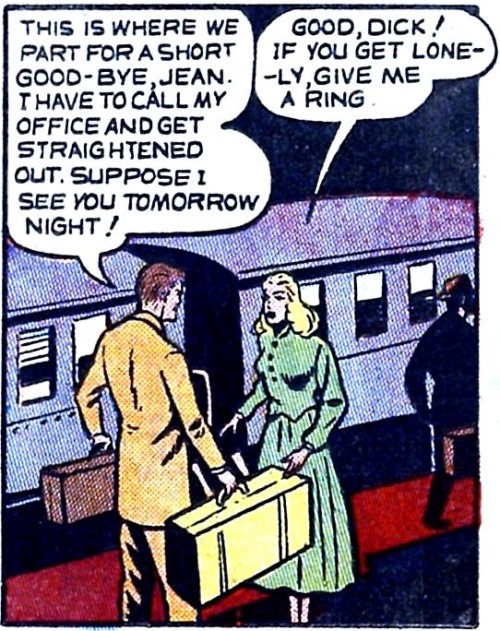
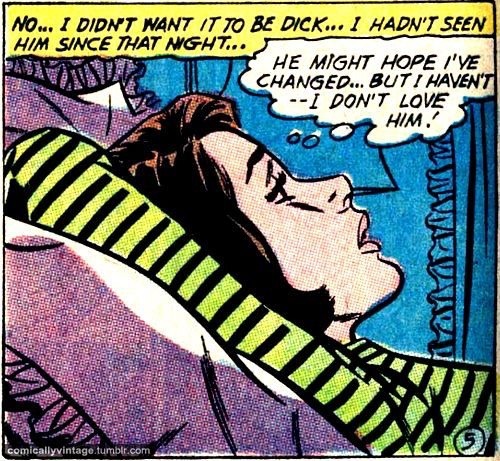
CRYING OVER DICK.

how are there so many of these?

Now that I’ve got some dick, I’m off to bed. Nighty night

okay, so the question less “how is there so much dick in vintage comics” and more “how does melee have scans of all that dick?”

I collect dick pics. ¯_(ツ)_/¯

@nuggsmum 😂😂😂😂😂😂😂

@alessandroilcavaliere @angelsseb @ladyoftheteaandblood @rebelslicious @devikafernando

that is one long dick post

Reblogging to fill dashes with dick.

Dick.

kiralamouse:

gooseweasel:

If anyone tries to tell you that Shakespeare is stuffy or boring or highbrow, just remember that the word “nothing” was used in Elizabethan era slang as a euphemism for “vagina”. 

Shakespeare has a play called “Much Ado About Nothing”, which you could basically read in modern slang as “Freaking Out Over Pussy”. And that’s pretty much exactly what happens in the play. 

It’s also a pun with a third meaning. There’s the sex sense of much ado about “nothing”, there’s the obvious sense that people today see, and then there’s the fact that in Shakespeare’s day, “nothing” was pronounced pretty much the same as “noting”, which was a term used for gossip. So, “Flamewar Over Rumors” works as a title interpretation, too.

The reason we call Shakespeare a genius is that he can make a pussy joke in the same exact words he uses to make biting social commentary about letting unverified gossip take over the discourse.

little-jonny-hairflips:

fur24:

raptorific:

I’M SO ANGRY

SOME 16TH CENTURY ASSHOLE WROTE “GOD B W YE” IN A LETTER AS AN ABBREVIATION FOR “GOD BE WITH YE”

AND IT APPEARED AS “GODBWYE”

WHICH WAS THEN READ AS “GOODBYE”

AND THAT’S WHY WE SAY “GOODBYE”

BECAUSE OF 16TH CENTURY CHAT SPEAK

I hope there’s proof to back this up because that’s hysterical

as the proud holder of an english degree i can confirm this as fact.

feynites:

runawaymarbles:

averagefairy:

old people really need to learn how to text accurately to the mood they’re trying to represent like my boss texted me wondering when my semester is over so she can start scheduling me more hours and i was like my finals are done the 15th! And she texts back “Yay for you….” how the fuck am i supposed to interpret that besides passive aggressive

Someone needs to do a linguistic study on people over 50 and how they use the ellipsis. It’s FASCINATING. I never know the mood they’re trying to convey.

I actually thought for a long time that texting just made my mother cranky. But then I watched my sister send her a funny text, and my mother was laughing her ass off. But her actual texted response?

“Ha… right.”

Like, she had actual goddamn tears in her eyes, and that was what she considered an appropriate reply to the joke.I just marvelled for a minute like ‘what the actual hell?’ and eventually asked my mom a few questions. I didn’t want to make her feel defensive or self-conscious or anything, it just kind of blew my mind, and I wanted to know what she was thinking.

Turns out that she’s using the ellipsis the same way I would use a dash, and also to create ‘more space between words’ because it ‘just looks better to her’. Also, that I tend to perceive an ellipsis as an innate ‘downswing’, sort of like the opposite of the upswing you get when you ask a question, but she doesn’t. And that she never uses exclamation marks, because all her teachers basically drilled it into her that exclamation marks were horrible things that made you sound stupid and/or aggressive.

So whereas I might sent a response that looked something like:

“Yay! That sounds great – where are we meeting?”

My mother, whilst meaning the exact same thing, would go:

‘Yay. That sounds great… where are we meeting?”

And when I look at both of those texts, mine reads like ‘happy/approval’ to my eye, whereas my mother’s looks flat. Positive phrasing delivered in a completely flat tone of voice is almost always sarcastic when spoken aloud, so written down, it looks sarcastic or passive-aggressive.

On the reverse, my mother thinks my texts look, in her words, ‘ditzy’ and ‘loud’. She actually expressed confusion, because she knows I write and she thinks that I write well when I’m constructing prose, and she, apparently, could never understand why I ‘wrote like an airhead who never learned proper English’ in all my texts. It led to an interesting discussion on conversational text. Texting and text-based chatting are, relatively, still pretty new, and my mother’s generation by and large didn’t grow up writing things down in real-time conversations. The closest equivalent would be passing notes in class, and that almost never went on for as long as a text conversation might. But letters had been largely supplanted by telephones at that point, so ‘conversational writing’ was not a thing she had to master. 

So whereas people around my age or younger tend to text like we’re scripting our own dialogue and need to convey the right intonations, my mom writes her texts like she’s expecting her Eighth grade English teacher to come and mark them in red pen. She has learned that proper punctuation and mistakes are more acceptable, but when she considers putting effort into how she’s writing, it’s always the lines of making it more formal or technically correct, and not along the lines of ‘how would this sound if you said it out loud?’